Product Description
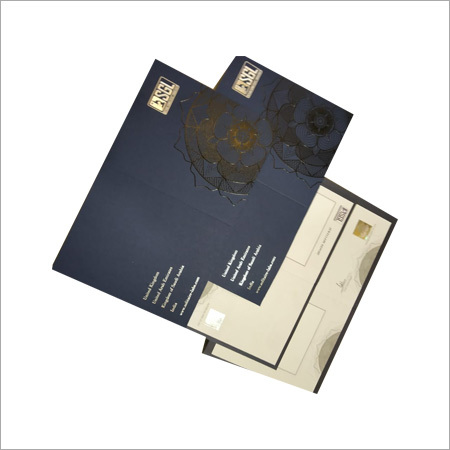
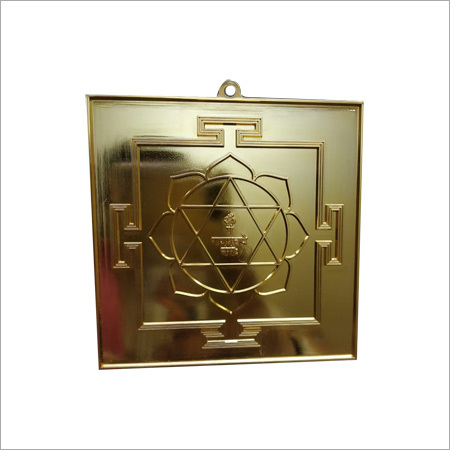
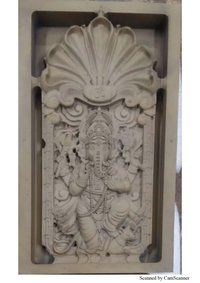
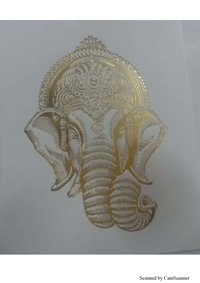
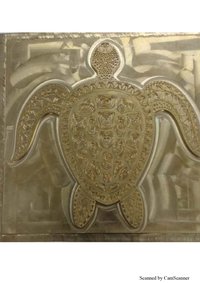
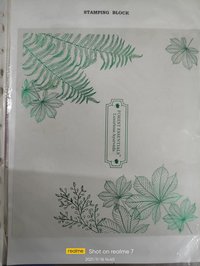
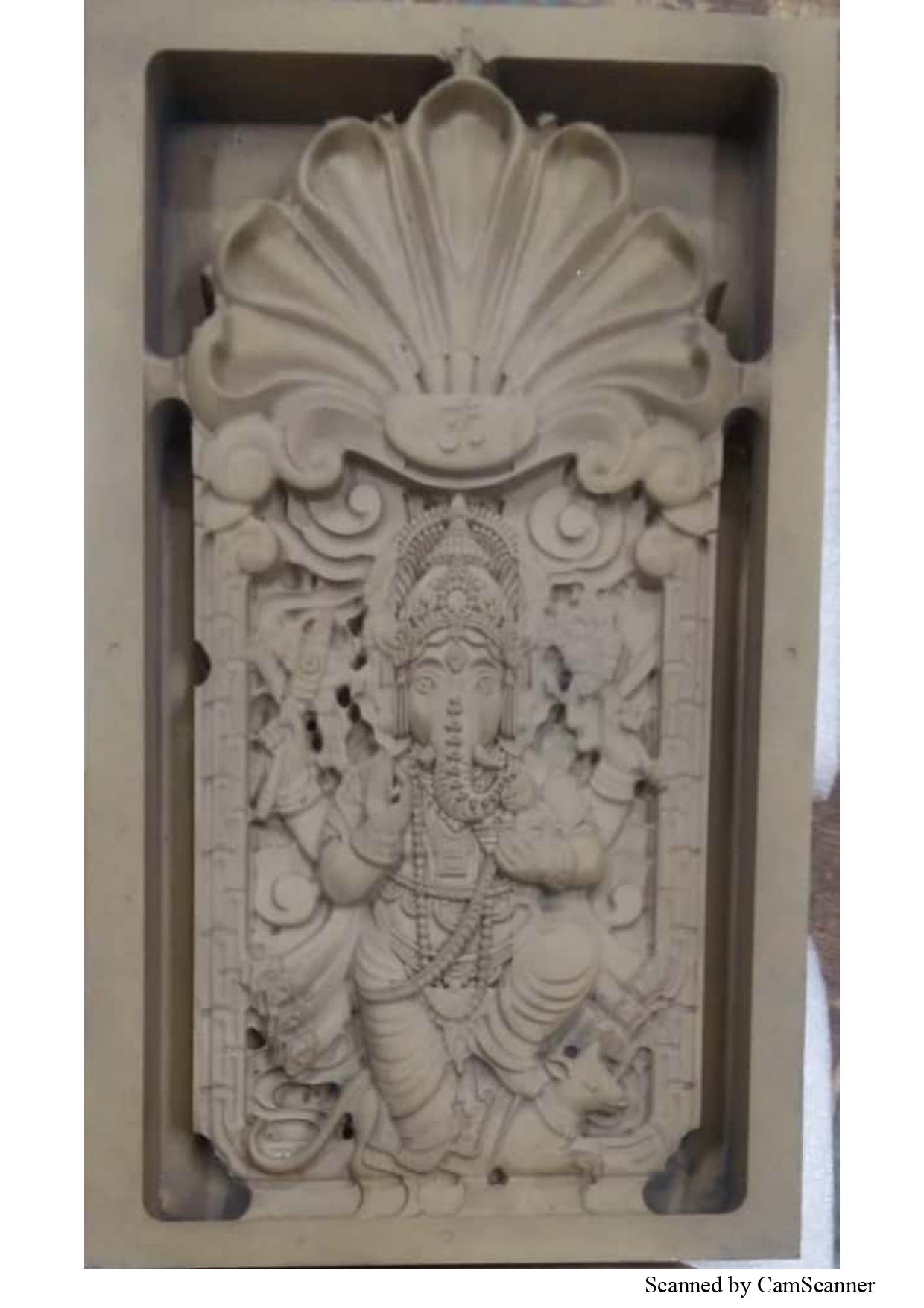
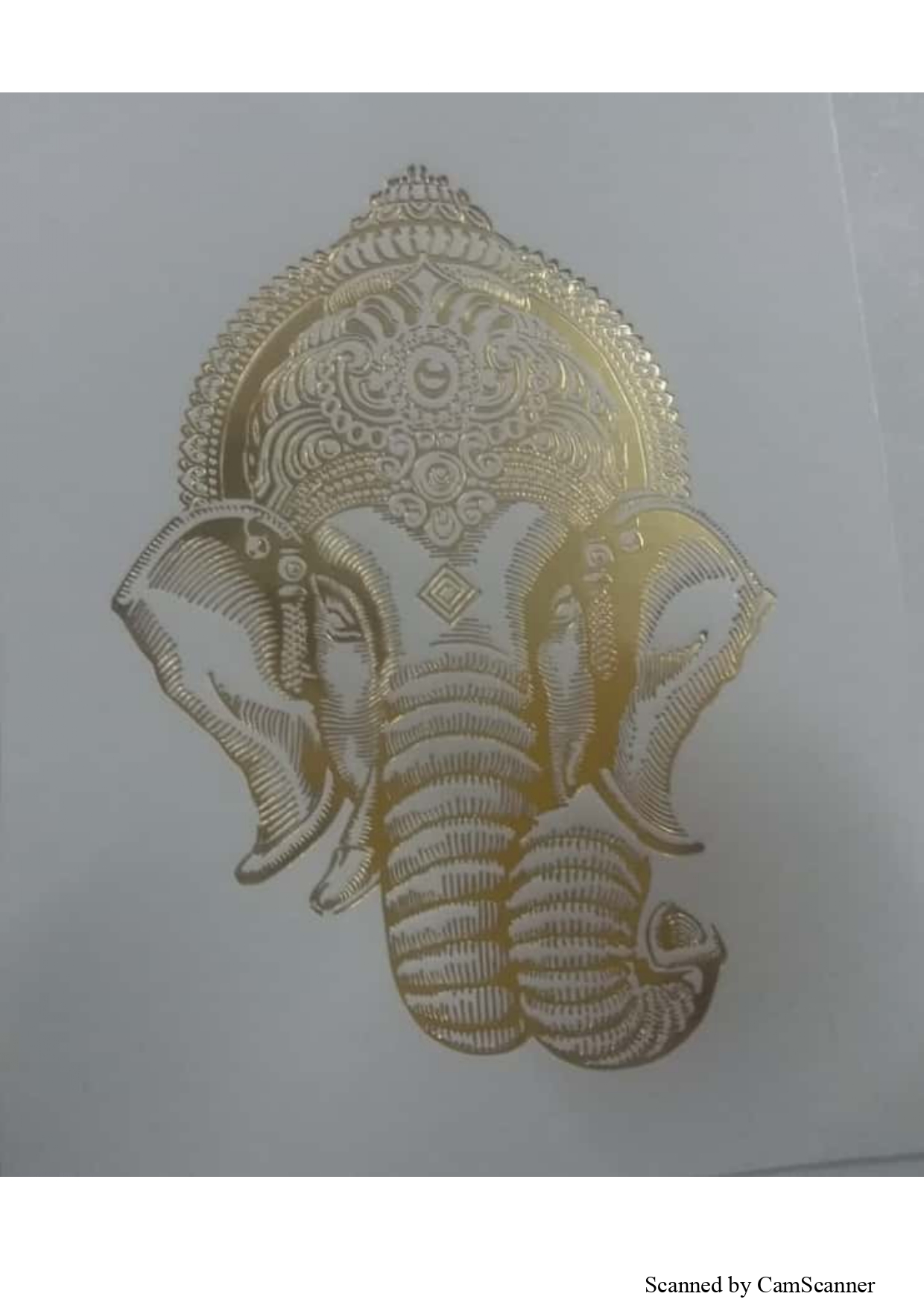
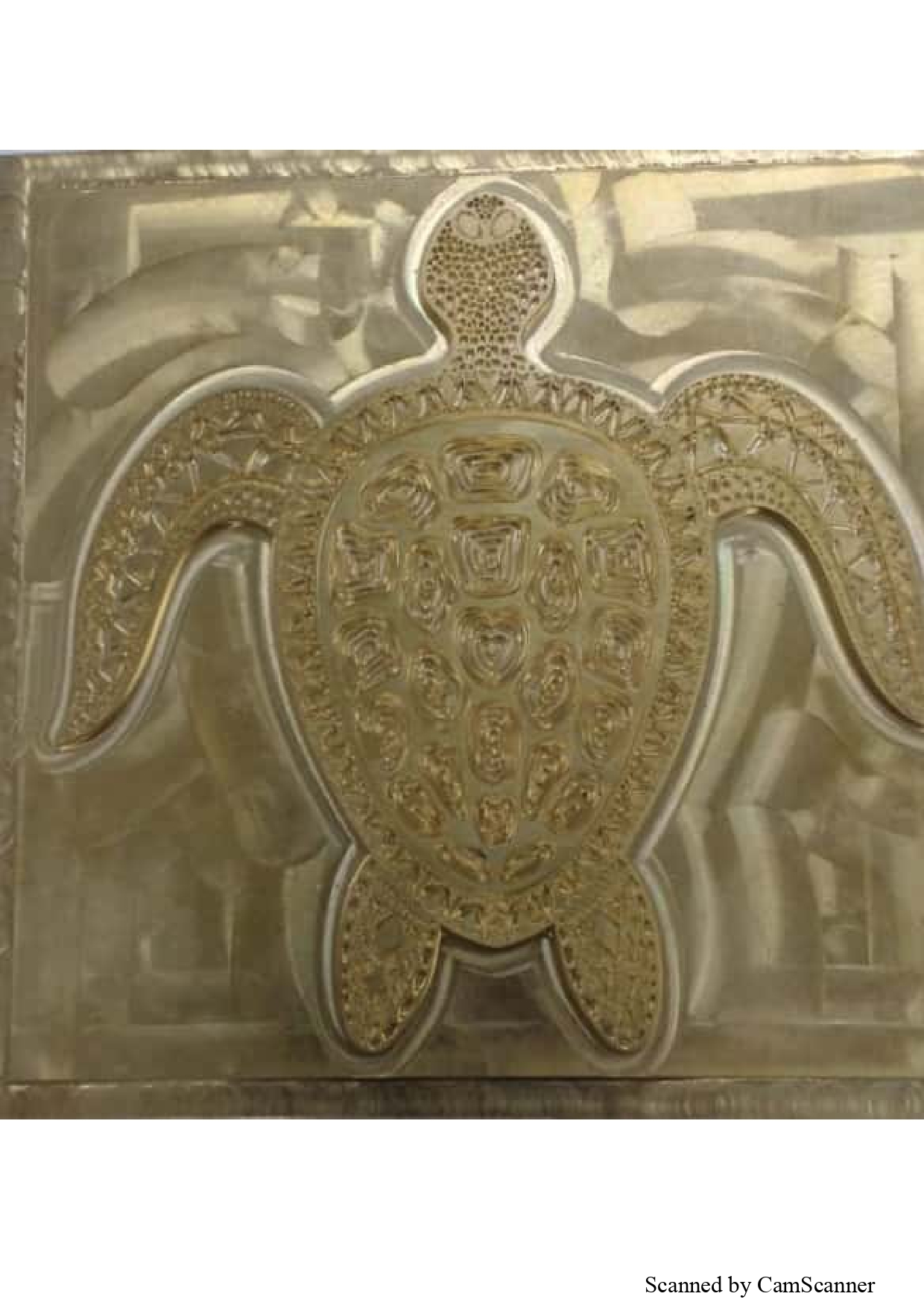

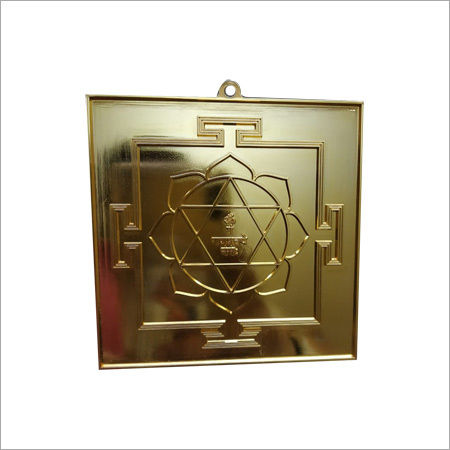
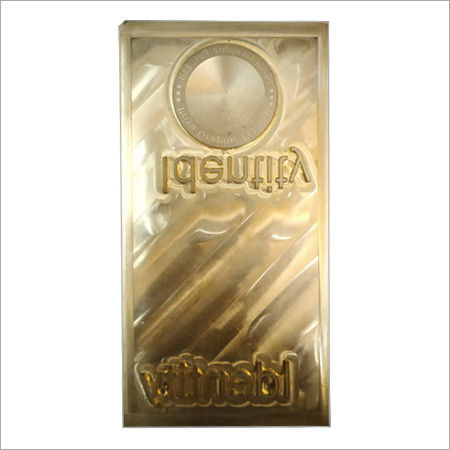
The company is providing the stamping dies to the clients. The metals are used for the stamping dies. These dies look highly attractive. The religious images have been displayed such as of Lord Ganesh. The dies help in cutting and shaping and cutting the metals in the desirable shapes for their attractive look. The stamping dies are styled or designed by the professional craftsmen. Mostly, they are made by the computer software for the more precise and sharper look.
Precision Engineering for Demanding ApplicationsOur stamping dies are designed using advanced CAD/CAM processes, ensuring unmatched precision and adherence to tight tolerances for critical industries. With high rigidity and meticulous finishing, they deliver consistent, accurate results for metal forming, blank cutting, and shaping.
Durability and Extended Service LifeThrough vacuum hardening, optional nitriding, and anti-corrosive coatings, our dies are built to withstand severe operational demands. This extends the working life up to 1 million cycles, maximizing productivity and minimizing downtime across various applications.
Customizable Specifications for Versatile NeedsOffering both vertical and horizontal die types, we cater to diverse requirements with fully customizable dimensions, table sizes, and compatible power sources. Optional features and surface treatments ensure our dies integrate seamlessly into a variety of press setups and production lines.
FAQ's of Stamping Dies:
Q: How are the stamping dies designed for high accuracy and durability?
A: Our stamping dies are designed using CAD/CAM methods, which enable precise modeling and accuracy to within 0.01 mm or as required. Materials like High Speed Steel, D2, or Carbide, combined with advanced heat treatments such as vacuum hardening and nitriding, provide superior wear resistance and extend die life up to 1 million cycles or more.
Q: What industries can benefit from using these stamping dies?
A: These dies are suitable for automotive, electrical, appliance, aerospace, and general engineering industries. They are engineered for tasks such as sheet metal forming, blank cutting, and complex metal shaping, making them versatile tools for a wide range of manufacturing applications.
Q: When should maintenance or parts replacement be performed on these dies?
A: Regular maintenance should be scheduled based on usage and operating conditions. Our dies feature easy-to-maintain and replaceable parts, allowing for swift repairs and minimal production downtime, which helps prolong die life and maintain consistent performance.
Q: Where are these stamping dies manufactured and supplied from?
A: We are a leading exporter, manufacturer, and supplier based in India. Our stamping dies are produced to stringent quality standards and are exported internationally, packed securely in wooden boxes or export-standard packaging to ensure safe delivery.
Q: What is the typical process for integrating these dies into a press system?
A: Integration begins with customization of dimensions, table size, and die type to match your press system (vertical or horizontal). Once matched, the die can be installed on electric presses. Required power consumption will vary depending on both the die and the press used.
Q: How does the specific surface and heat treatment benefit die performance?
A: Polished surface finish and treatments such as vacuum hardening or nitriding enhance wear resistance and reduce the risk of corrosion. This assures consistent, high-precision punching accuracy and lowers maintenance frequency, boosting operational efficiency.
Q: What are the main benefits of using these stamping dies in production?
A: Key advantages include exceptional precision, extended die life, adaptability to various press configurations, easy maintenance, and high resistance to wear and corrosion. These combined features help manufacturers achieve higher productivity and lower total operating costs.







 Send Inquiry